

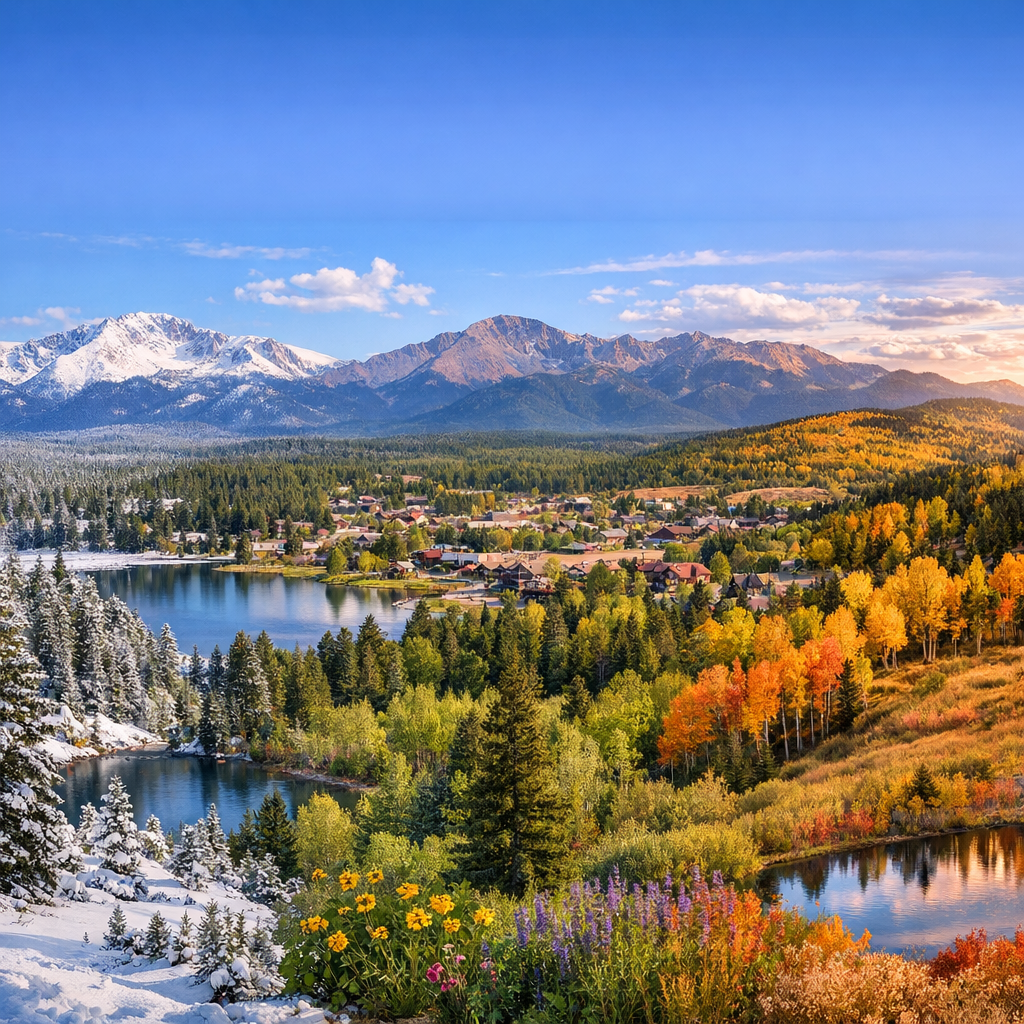
Woodland Park, nestled in the heart of Colorado, boasts a distinctive climate that influences both our natural surroundings and daily activities. Understanding these patterns can help residents and visitors make the most of what our beautiful town has to offer.
Seasonal Temperature Variations
Our town experiences a wide range of temperatures throughout the year. Winters are cold, with average lows dipping to around 15°F (-9°C) in December and January. Summers, on the other hand, are comfortably warm, with average highs reaching approximately 75°F (24°C) in July. This variation provides a diverse array of seasonal activities, from winter sports to summer hiking.
Precipitation and Snowfall
Precipitation is fairly evenly distributed across the year, with an annual average of about 28 inches (715 mm). July tends to be the wettest month, receiving around 4.5 inches (114 mm) of rainfall. Snowfall is a significant aspect of our climate, especially from November through April, contributing to our picturesque winter landscapes and supporting local winter sports.
Environmental Considerations
Our unique climate also brings certain environmental challenges. The combination of dry conditions and frequent lightning strikes increases the risk of wildfires, making fire safety a community priority. Additionally, the presence of both Ponderosa and Lodgepole pines in our forests makes us susceptible to pine beetle infestations, which can be exacerbated by warmer temperatures.
By staying informed about our local climate and its impacts, we can better appreciate the natural beauty of Woodland Park and take proactive steps to protect our environment.