

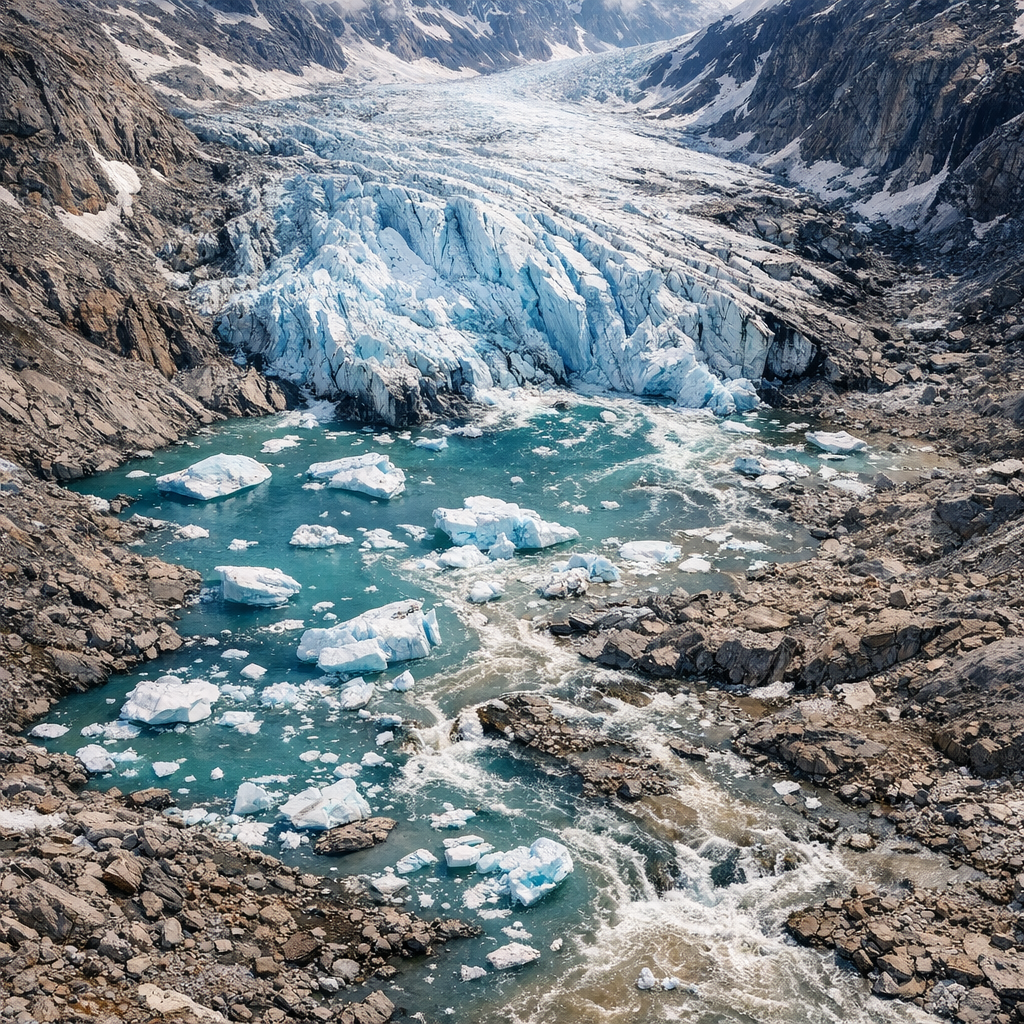
By Emily Williams — A landmark report from the United Nations Environment Programme delivers a stark message: global warming has already surpassed safe limits agreed under the Paris Accord. The world has lost its chance to fully avoid some of the gravest consequences of climate change.
What the Report Says
The analysis shows that ongoing emissions from fossil fuels have raised global temperatures beyond the point scientists consider safe. The 1.5°C threshold above pre-industrial levels—once viewed as the maximum tolerable warming to avoid the worst impacts—is now out of reach. While some regional temperatures may still dip below that limit, globally the trend is irreversible without drastic action.
Why It Matters
Crossing this threshold means more frequent heatwaves, intensified storms, rising sea levels, and greater stress on food and water systems. Populations already vulnerable—particularly in developing nations—are at heightened risk. With ecosystems under pressure, biodiversity loss accelerates. Infrastructure in many parts of the world will face challenges that were once thought decades away.
What Can Still Be Done
The report makes clear that while avoiding all damaging effects is no longer possible, much can be done to limit harm. Key steps include:
- Cutting methane emissions swiftly, since that offers rapid climate benefits.
- Phasing out coal, oil, and gas, especially where cleaner alternatives are available.
- Restoring and protecting ecosystems like forests, wetlands, and mangroves which act as carbon sinks and protect against climate extremes.
- Boosting financial and technical support for countries most impacted—both for mitigation and adapting infrastructure to changing climate.
For communities far from global power centers—like Woodland Park—this report is a reminder that climate change isn’t abstract. Resilient planning for water supplies, wildfire prevention, and sustainable land use are no longer optional—they’re essential.
Looking Ahead
International cooperation will be crucial. Nations must update and strengthen climate commitments, invest in green technologies, and ensure fair support reaches those on the front lines. The path ahead is narrowing, but with bold policies and collective action, it’s still possible to chart a safer future for people everywhere.