

By Michael Thompson
Slow Growth, Mixed Signals
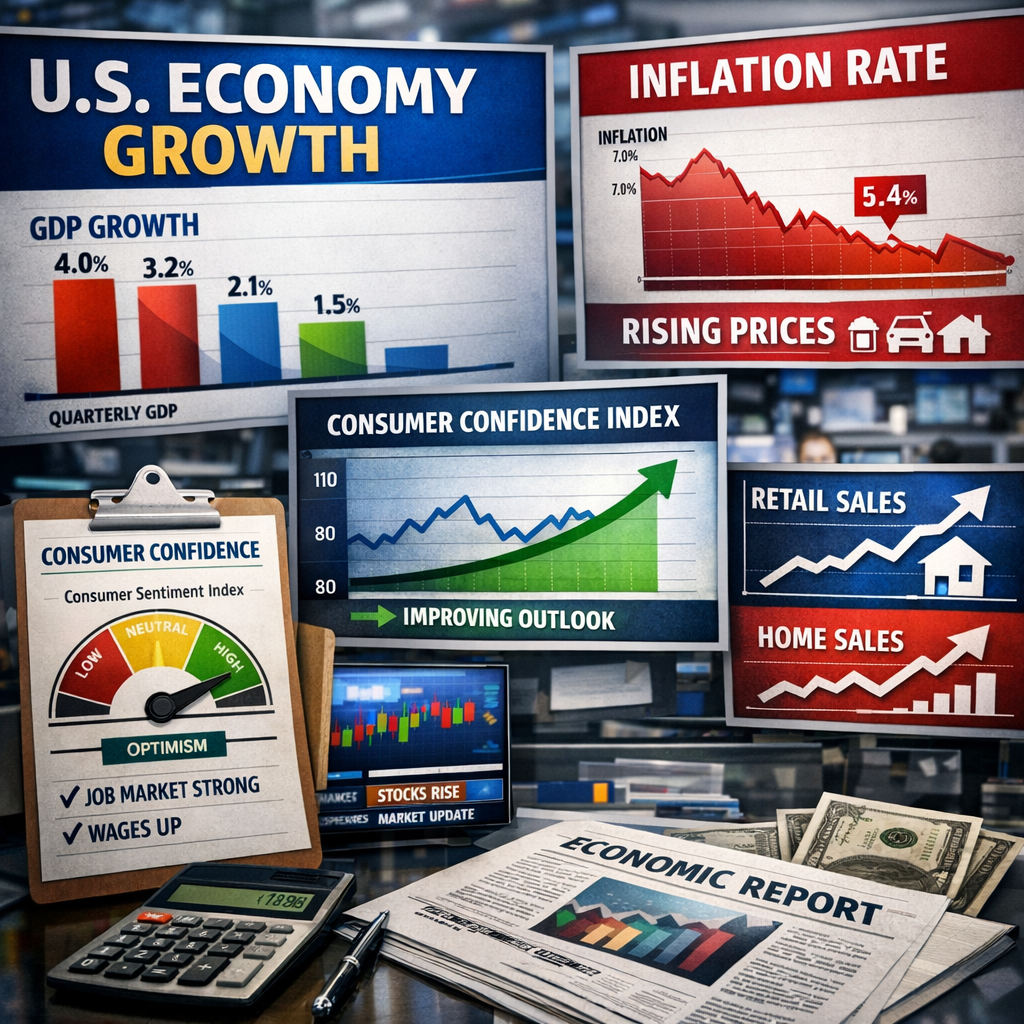
The U.S. economy is growing, but at a more modest pace. In the second quarter, Gross Domestic Product (GDP) rose by about 1.5 percent—significantly slower than earlier in the year. While consumer spending is still contributing to growth, other sectors aren’t pulling their weight. For many in Woodland Park, this means steady income and employment outlooks, though there may be fewer big economic wins on the horizon. (Sources: U.S. Bureau of Economic Analysis & Associated Press)
Inflation Is Slowing—but Still Stubborn
Inflation has dipped in recent months, and core inflation measures (excluding volatile food and energy costs) are showing signs of cooling. That said, prices in key areas like housing, gas, and healthcare continue rising, putting real pressure on family budgets. Locally, that may translate to a sharper pinch for those already balancing tight expenses—especially with energy costs high and supply chain disruptions lingering.
Consumer Mood Worsens
Though many households are managing, U.S. consumer confidence has fallen to its lowest point in several months. Concerns over inflation’s persistence, rising prices at gas pumps, and job stability are fueling a sense of uncertainty. For Woodland Park residents—who may rely on climate-controlled housing, commuting, recreation, or seasonal tourism—these national trends could affect everyday choices like discretionary spending and investment in homes or local businesses.
What This Means Locally
- Budgeting is critical. With inflation still elevated, households should reassess spending—looks into fixed-costs like energy, insurance, and groceries.
- Watch interest rates. The Federal Reserve has signaled that rate hikes may still be on the table if inflation doesn’t recede. That could affect mortgages, credit cards, and local business financing.
- Support local where possible. Buying from regional farms, shops and services helps cushion communities from national volatility and keeps dollars closer to home.
- Stay informed. Knowing how federal policy—tax changes, trade agreements, regulatory actions—affects your pocketbook will make a difference when national policy shifts filter down.
Looking Ahead
The economic landscape nationally remains uncertain. Whether inflation retreats steadily or pivots back upward will likely determine the Federal Reserve’s next moves. Monitoring labor market trends and political decisions—especially with midterm elections nearing—may offer clues. For Woodland Park, preparation and local resilience are strong defenses in a shifting economy.