

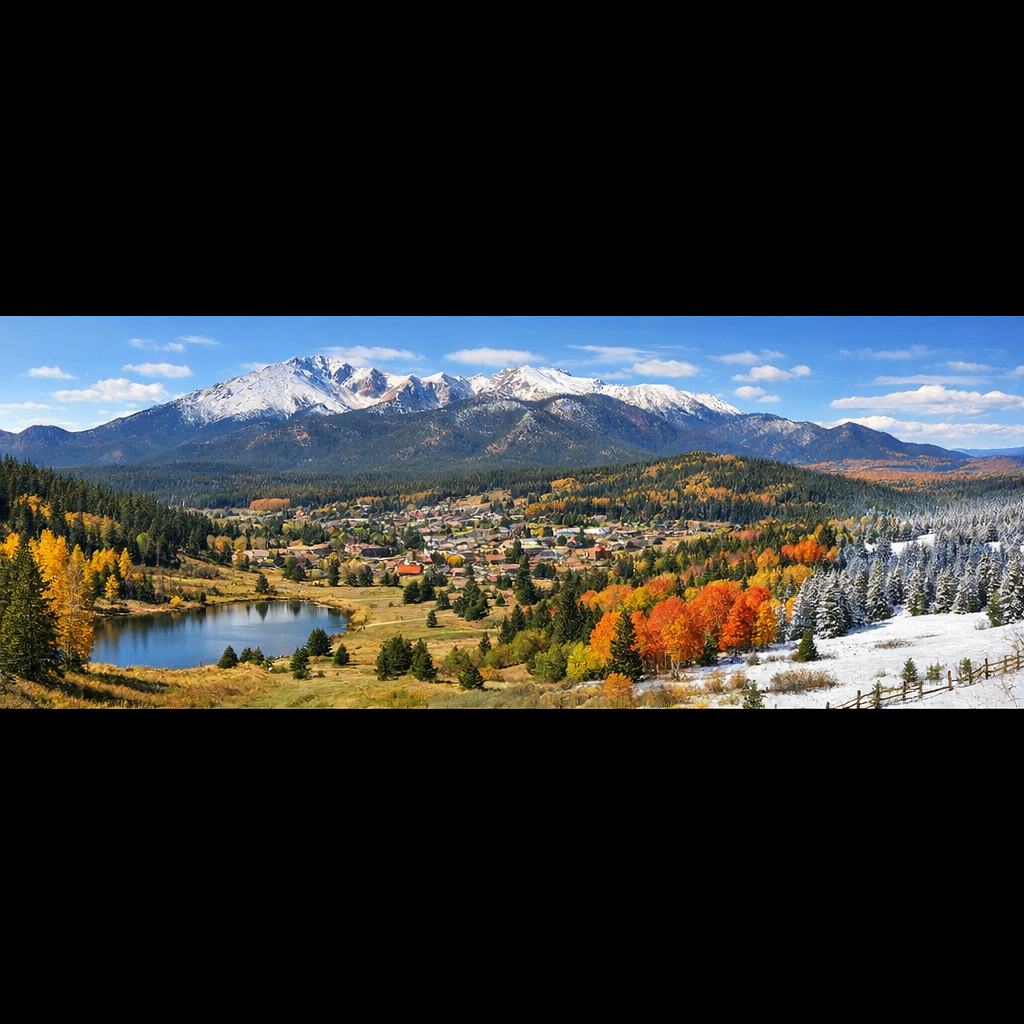
Woodland Park, nestled in the foothills of the Rocky Mountains, boasts a unique climate that significantly influences the lifestyle and activities of its residents. Understanding these weather patterns is essential for both newcomers and long-time locals.
Seasonal Overview
Spring
Spring in Woodland Park is characterized by mild and variable weather. Average high temperatures hover around 55°F (13°C), with lows dipping to 25°F (-4°C). This season often brings a mix of rain and snow, contributing to the lush greenery that emerges as temperatures rise.
Summer
Summers are comfortably warm, with average highs reaching 75°F (24°C) and lows around 51°F (11°C). The low humidity levels make outdoor activities particularly enjoyable. However, residents should be prepared for occasional afternoon thunderstorms, a common occurrence during this season.
Fall
Autumn brings cooler temperatures, with highs averaging 60°F (16°C) and lows around 33°F (1°C). The changing foliage offers picturesque landscapes, making it a favorite season for many. It’s also a transitional period, with weather patterns shifting towards winter conditions.
Winter
Winters are cold and snowy, with average highs of 36°F (2°C) and lows dropping to 12°F (-11°C). Snowfall is significant, averaging over 50 inches (127 cm) annually, providing ample opportunities for winter sports enthusiasts.
Environmental Considerations
Woodland Park’s high elevation and arid climate contribute to dry conditions, especially in the summer months. This dryness, combined with frequent lightning strikes and mountain winds, increases the risk of wildfires. Residents are encouraged to stay informed about fire restrictions and practice fire safety measures to protect the community and surrounding natural areas.
Understanding Woodland Park’s climate is crucial for planning daily activities, preparing for seasonal changes, and appreciating the natural beauty that each season brings to this unique mountain town.